By Coldwell Banker Warburg
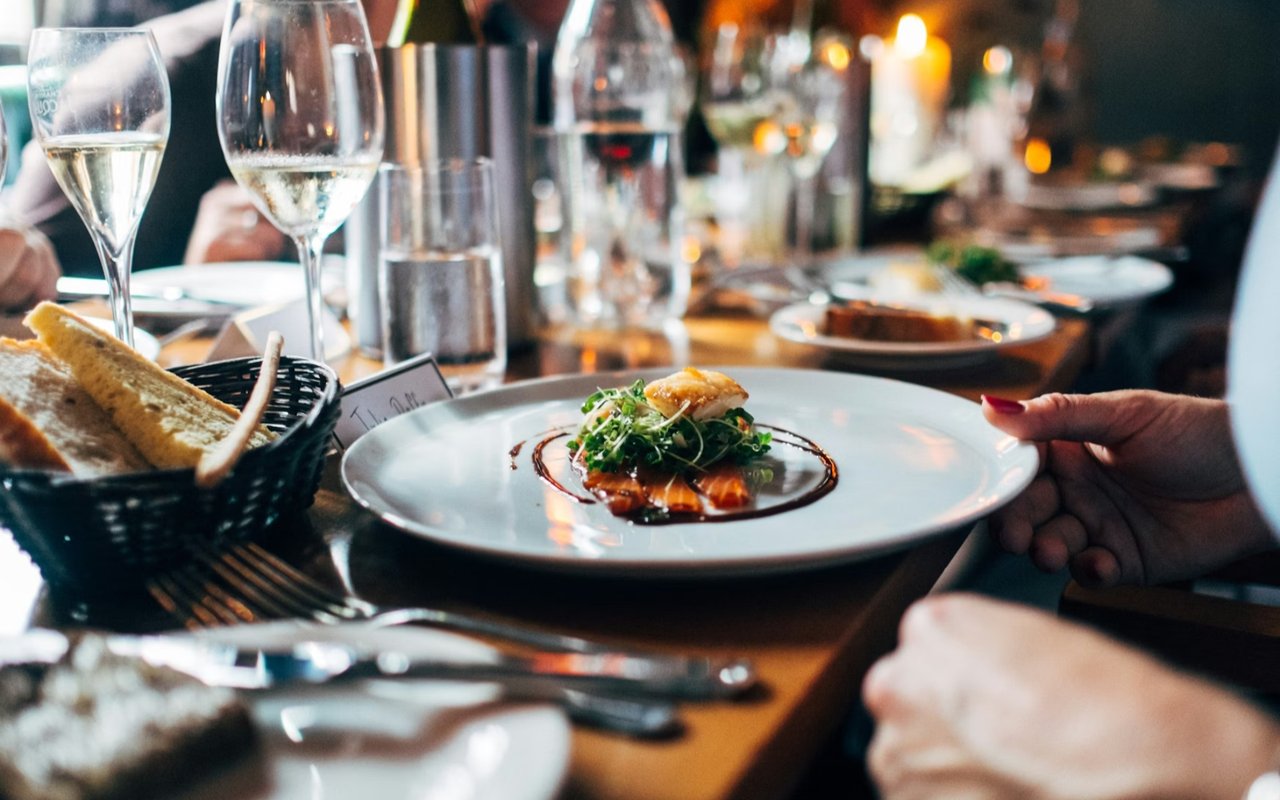
Fine dining in New York City has always been defined as much by place as by cuisine, and the neighborhoods below 14th Street have spent the past two decades assembling a restaurant landscape that can credibly compete with any dining destination in the city.
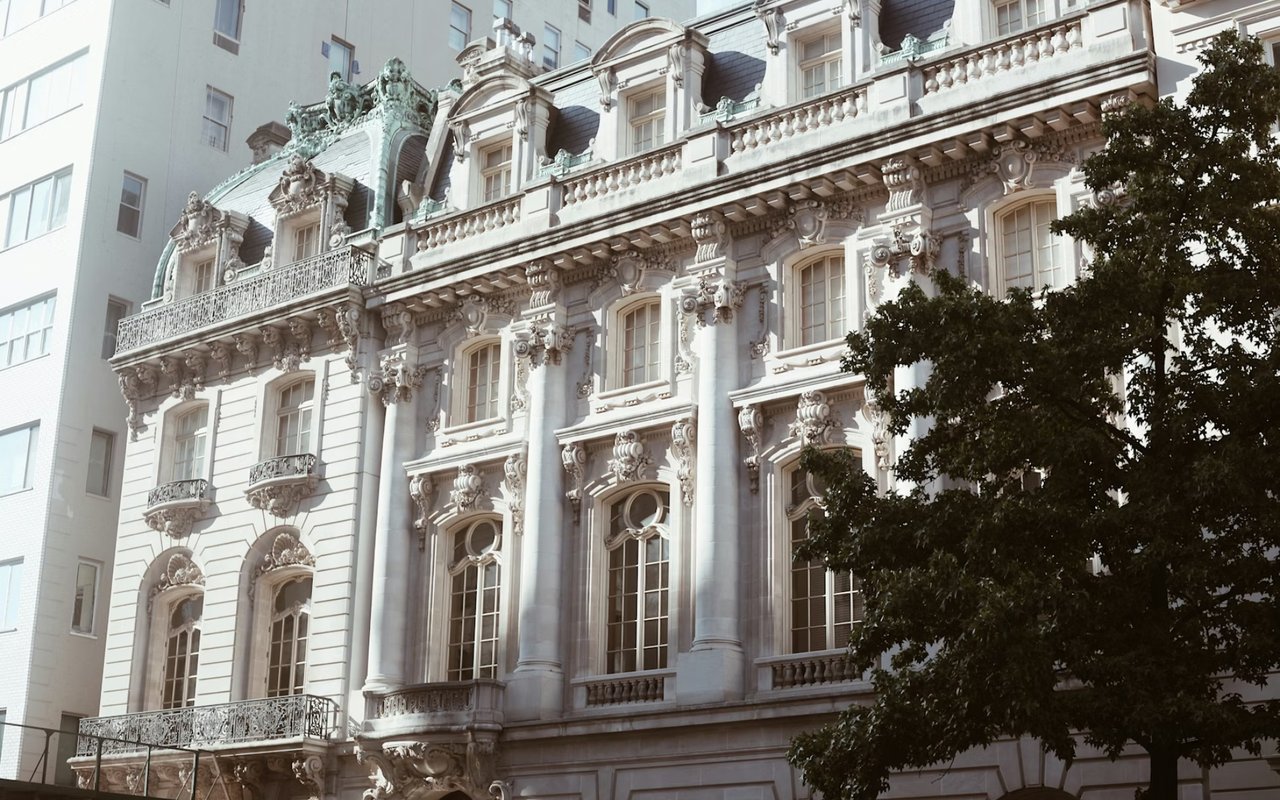
From TriBeCa's converted loft buildings to the soaring Art Deco towers of the Financial District, the fine dining in Downtown Manhattan draws on architectural settings that give each meal a context as distinctive as the food itself.
Key Takeaways
- TriBeCa dining: Frenchette, Locanda Verde, and Nobu anchor one of Manhattan's most acclaimed restaurant neighborhoods.
- Financial District: Crown Shy, Manhatta, and Augustine reflect the neighborhood's emergence as a serious dinner destination.
- SoHo institutions: Balthazar, Raoul's, and Blue Ribbon Brasserie define decades of consistent excellence on the neighborhood's cobblestone streets.
- NoLita and the LES: Estela, The Musket Room, and Dirty French represent an independent, chef-driven approach to the Downtown Manhattan dining scene.
Fine Dining in TriBeCa
TriBeCa's wide streets, converted loft buildings, and ground-floor restaurant spaces have attracted some of the city's most significant culinary names over the past three decades.
Three TriBeCa Restaurants Worth a Reservation
- Frenchette: Riad Nasr and Lee Hanson's French brasserie is known for its rotisserie program, natural wine list, and a dining room that consistently earns some of TriBeCa's most sought-after reservations.
- Locanda Verde: Andrew Carmellini's Italian restaurant at the Greenwich Hotel draws a loyal following for handmade pastas, braised meats, and a sheep's milk ricotta that has anchored the menu since the restaurant opened.
The neighborhood's role as a dining destination developed in tandem with its transformation from a light-industrial district into one of Manhattan's most sought-after residential addresses.
Fine Dining in the Financial District
The Financial District, long associated with midday expense accounts, has undergone a meaningful transformation as a dinner destination, driven in part by the adaptive reuse of its Art Deco towers and the growth of a full-time residential population.
Three Financial District Restaurants That Reflect the Neighborhood's Culinary Evolution
- Crown Shy: Chef James Kent's contemporary American restaurant occupies the lobby of 70 Pine Street, one of Downtown Manhattan's finest 1930s Art Deco skyscrapers, offering refined seasonal cooking in a room where the building's original architectural grandeur remains fully intact.
- Manhatta: Situated on the 60th floor of 28 Liberty Street, this Danny Meyer restaurant pairs panoramic views of the harbor and Manhattan skyline with a focused American menu, making it one of the most visually dramatic dining settings in the city.
The Financial District's transition into a serious dining neighborhood has been anchored by restaurants like Crown Shy and Manhatta, which drew critical attention to an area previously overlooked for dinner service.
Fine Dining Along SoHo's Historic Streets
SoHo, defined by its cast-iron architecture and cobblestone streets across the Spring, Prince, and West Broadway corridor, has been home to some of New York City's most durable restaurant institutions for more than four decades.
Three SoHo Restaurants That Have Defined the Neighborhood's Dining Character
- Balthazar: Keith McNally's French brasserie, open since 1997, draws equal numbers of neighborhood regulars and first-time visitors every evening with steak frites, moules marinières, and a raw bar that remain benchmarks for the genre in New York City.
- Raoul's: In continuous operation since 1975, Raoul's is among the longest-running French restaurants in New York, retaining the dark, candlelit atmosphere and classic menu, including its celebrated steak au poivre, that established its reputation nearly fifty years ago.
- Blue Ribbon Brasserie: Opened in 1992 by brothers Bruce and Eric Bromberg, Blue Ribbon built its reputation on a 4 AM closing time and consistently excellent bone marrow and raw bar, drawing a following that has always included the city's off-duty restaurant professionals.
The neighborhood's dining character is shaped by its dual identity as a high-traffic destination by day and an intimate residential corridor by evening, sustaining a restaurant culture that has proven unusually resistant to the turnover that affects most urban markets.
Fine Dining in NoLita and the Lower East Side
NoLita, along the Mott, Mulberry, and Elizabeth Street corridor between SoHo and Little Italy, and the adjacent Lower East Side to the east, has produced some of Downtown Manhattan's most compelling chef-driven restaurants over the past decade.
Three Restaurants in NoLita and the Lower East Side Worth Adding to Any Downtown Dining List
- Estela: Chef Ignacio Mattos's restaurant has maintained its position as one of New York City's most critically praised dining rooms since 2013, known for dishes like the burrata with salsa verde and lamb ribs that draw on Mediterranean and South American influences.
- The Musket Room: This NoLita restaurant, with an enclosed garden accessible in warmer months, offers a seasonal menu shaped by New Zealand culinary influences and an intimacy that provides a genuine counterpoint to the larger, louder rooms common in the surrounding neighborhood.
- Dirty French: Set within The Ludlow Hotel on the Lower East Side, Dirty French brings Major Food Group sensibility to classic French bistro cooking, with duck à l'orange and a dramatically lit dining room that captures the nighttime energy of the LES with clear culinary ambition.
The residential blocks surrounding NoLita and the Lower East Side draw consistent interest from those who value the combination of culinary culture, architectural texture, and urban energy that defines this part of the city.
FAQs
What neighborhoods make up Downtown Manhattan's fine dining scene?
For this guide, Downtown Manhattan's fine dining territory includes TriBeCa, the Financial District, SoHo, NoLita, and the Lower East Side, with additional options in adjacent areas like the Seaport District.
How has the Financial District's restaurant scene changed in recent years?
The opening of full-service restaurants like Crown Shy and Manhatta, combined with the residential growth following the conversion of several landmarked commercial towers, has transformed the Financial District into an all-day neighborhood with genuine dinner culture.
What makes downtown Manhattan's dining scene distinctive?
The restaurants below 14th Street tend to occupy buildings with genuine architectural history, operate as independent businesses, and reflect the specific personalities of neighborhoods like TriBeCa and SoHo in ways that make each dining experience site-specific.
Contact Coldwell Banker Warburg Today
The restaurants described here are a direct reflection of the culinary depth woven into daily life in Downtown Manhattan, and for those considering the neighborhoods south of 14th Street, the dining culture is as significant a quality-of-life factor as park access, transit, or the architecture of the buildings themselves.
Contact us at Coldwell Banker Warburg for deep expertise across TriBeCa, SoHo, the Financial District, NoLita, and the Lower East Side, and we help clients understand the full picture of what living in these neighborhoods actually looks like.
Contact us at Coldwell Banker Warburg for deep expertise across TriBeCa, SoHo, the Financial District, NoLita, and the Lower East Side, and we help clients understand the full picture of what living in these neighborhoods actually looks like.