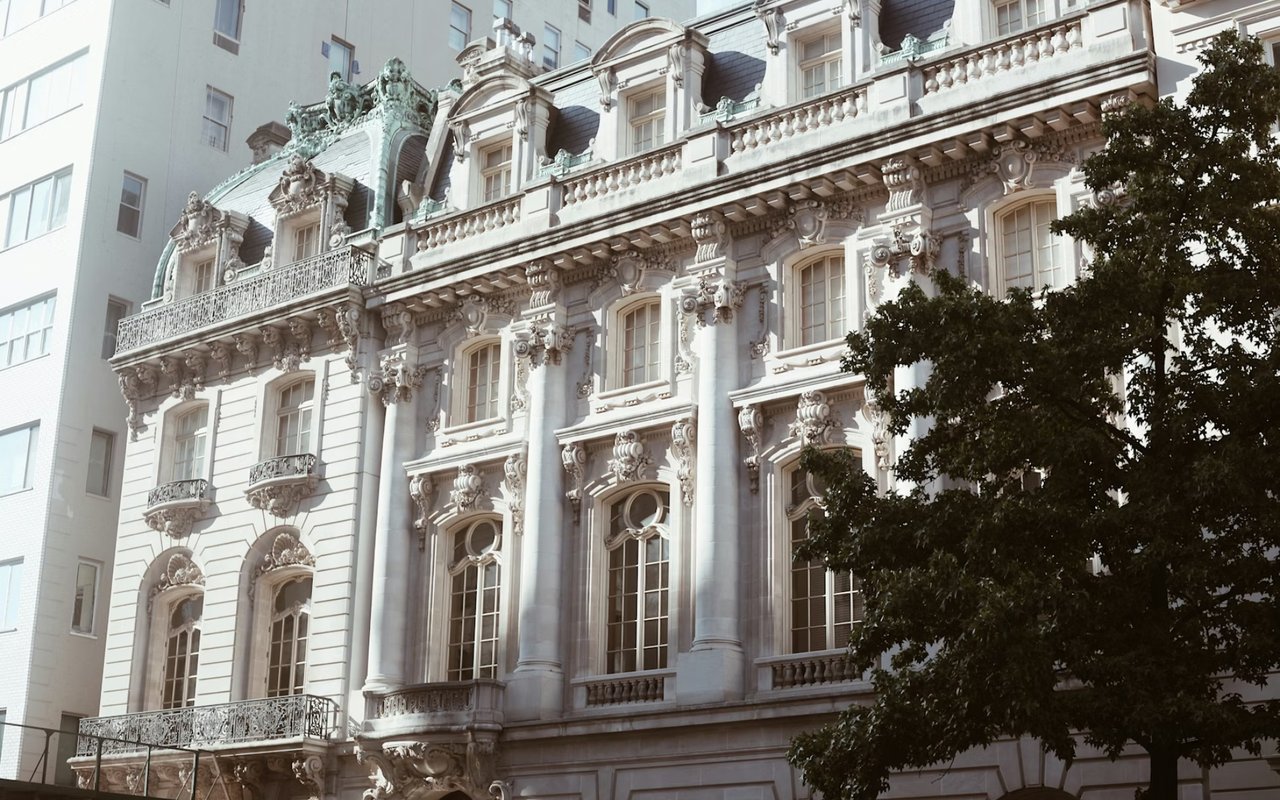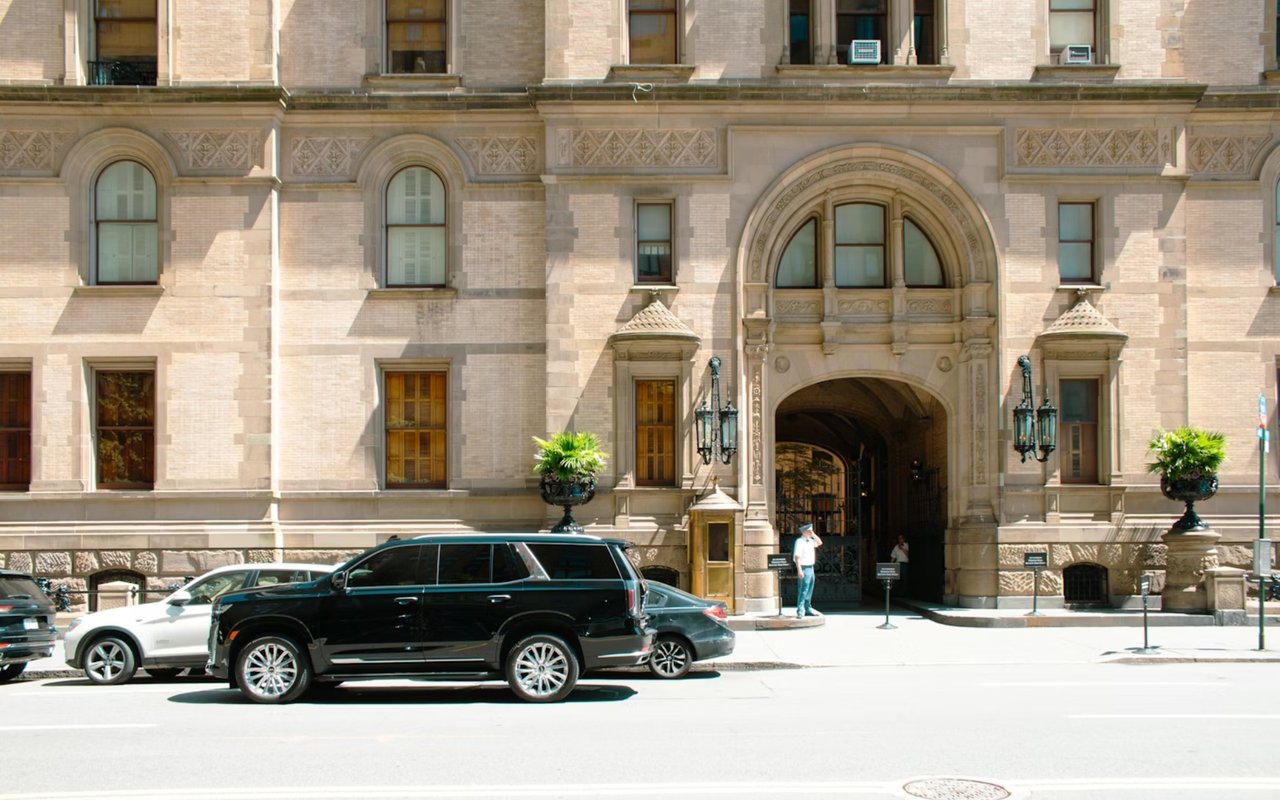
The Upper West Side offers one of the most distinct architectural landscapes in Manhattan. Its streets reveal the city’s past through historic apartment houses, cultural institutions, and elegant townhomes that shaped the neighborhood’s reputation for character and refinement. Anyone interested in Upper West Side NY architecture will find an impressive concentration of buildings that reflect clear shifts in design, technology, and urban development.
This guide highlights the most notable landmarks that define the area and continue to influence its identity today.
The Dakota
The Dakota stands as one of the most recognizable residences in Manhattan. Completed in 1884, it displays a commanding Renaissance Revival style marked by steep roofs, elaborate dormers, and ornamental balconies. The building’s courtyard layout, uncommon at the time of construction, allows for natural light and well-defined interior spaces. Inside, you see fireplaces, detailed woodwork, and floor plans that emphasize privacy and proportion. The Dakota’s exterior limestone and brick façade is carefully preserved, making it a foundational example of Upper West Side residential architecture.
The Ansonia
The Ansonia is one of the neighborhood’s most intriguing architectural landmarks. Built as a luxury residential hotel in 1904, it reflects Beaux-Arts influences with arched windows, deep cornices, and distinct rounded corner towers. Its original design included grand corridors, a central courtyard, and spacious apartments. The exterior features theatrical curves and classical detailing, which set it apart from the surrounding buildings. The Ansonia remains a case study in how early twentieth-century designers blended ambition and artistry in large-scale residential structures.
The Apthorp
The Apthorp occupies an entire city block and offers a remarkable example of Italian Renaissance Revival architecture. Completed in 1908, the building is widely recognized for its large central courtyard accessed through an iron gate framed by sculptural stonework. This layout introduced a new approach to creating privacy in densely populated residential environments. The façade’s rusticated stone base, arched entrances, and carved ornament give the structure a sense of permanence and craftsmanship. Inside, residents find wide hallways, grand staircases, and detailed molding that reinforce its status as one of the most esteemed apartment houses in the neighborhood.
The San Remo
The San Remo, completed in 1930, helped define the skyline along Central Park West. Its twin towers rise above a classical base that features limestone, pilasters, and deep-set windows. The design blends Art Deco and Neo-Renaissance elements, as evident in its stepped tower crowns and geometric detailing. Apartments were planned to maximize views of the park, illustrating the shift toward vertical living without sacrificing comfort. The San Remo remains a benchmark for luxury high-rise housing and a signature example of Upper West Side NY architecture.
The Eldorado
The Eldorado continues the tradition of dual-tower design introduced by earlier buildings on Central Park West. Completed in 1931, it leans more heavily into Art Deco influences. The exterior features sharp lines, vertical emphasis, patterned brickwork, and a striking metal crown atop each tower. Inside, layouts reflect the era’s focus on efficient planning and generous living spaces. Its dramatic silhouette makes a significant contribution to the visual rhythm of the park’s western edge.
The American Museum of Natural History
The American Museum of Natural History represents a different but equally significant architectural tradition in the Upper West Side. Spanning several wings built over the course of decades, the museum seamlessly blends Romanesque Revival, Beaux-Arts, and modern elements. The Theodore Roosevelt Memorial, with its monumental columns and sculptural stone façade, serves as the building’s grand entrance. Interior halls were designed to accommodate scientific exhibits, dioramas, and large-scale displays, showcasing how architectural planning can support educational and cultural missions. Its evolution mirrors broader changes in museum design and public learning spaces.
The New York Historical
The New York Historical is another essential architectural landmark. Completed in 1908, its exterior features classical symmetry, large arched windows, and stone detailing typical of the Beaux-Arts approach. Inside, galleries and reading rooms reflect early twentieth-century priorities of formality and clarity. Renovations have introduced modern elements while respecting the original design, creating a layered structure that balances tradition with current museum needs. The Society’s architecture underscores the significance of civic buildings in shaping neighborhood identity.
Rowhouses on West End Avenue and Riverside Drive
The Upper West Side also preserves a significant collection of late nineteenth-century rowhouses. These homes display a mix of Romanesque Revival, Queen Anne, and Renaissance Revival elements. Look closely, and you notice brownstone bases, stained-glass transoms, detailed cornices, and bay windows that extend toward the street. Many of these rowhouses have been restored to highlight original woodwork and masonry. They offer a smaller-scale but equally compelling study of Upper West Side NY architecture, blending individual expression with cohesive streetscapes.
The Belleclaire
Hotel Belleclaire presents another example of architectural innovation in the neighborhood. Designed by Emery Roth and completed in 1903, it demonstrates Art Nouveau influences rarely seen in New York residential buildings. Curved window bays, decorative ironwork, and organic motifs set it apart from more traditional stone structures nearby. The Belleclaire highlights a moment in which European design ideas gained traction in Manhattan’s architectural community.
The Beacon Theatre
The Beacon Theatre adds an important cultural dimension to the architectural landscape. Completed in 1929, the theater showcases lavish interior design inspired by European motifs, along with a detailed façade that incorporates ornamental brickwork and stone accents. The auditorium’s acoustics and layout illustrate careful planning for performance spaces. Its architectural significance rests not only in its style but also in its continued role as a major entertainment venue.
Find Your New Place in the Upper West Side
Exploring these architectural landmarks reveals how the Upper West Side brings together history, craftsmanship, and thoughtful design. Anyone considering a move to the neighborhood can benefit from expert guidance. Coldwell Banker Warburg offers insight into the area’s finest properties and can help buyers understand how architectural heritage shapes today’s real estate market.
Reach out today to begin your search with a team that understands the value of design, history, and location.
Reach out today to begin your search with a team that understands the value of design, history, and location.