By Coldwell Banker Warburg
Renovation work in pre-war Manhattan apartments is among the most intentional in any residential market. From Classic 6 layouts along Park Avenue to pre-war residences in Carnegie Hill and Yorkville, the home renovation trends in Upper East Side reflect a market shaped by co-op approval processes, NYC Department of Buildings permits, and Landmarks Preservation Commission guidelines that make every project more deliberate than a cosmetic refresh.
At Coldwell Banker Warburg, we work with clients across this neighborhood every day, and the projects that consistently drive the most enduring value are those that honor the building while thoughtfully updating how it lives.
Key Takeaways
-
Pre-war restoration: Original architectural details command a meaningful premium in Upper East Side apartment sales.
-
Kitchen reconfiguration: Opening galley layouts requires co-op board approval and structural engineering review.
-
Primary bath upgrades: Spa-inspired renovations rank among the most valued improvements in this market.
-
Smart home integration: Technology retrofits in pre-war buildings require careful planning around existing infrastructure.
Restoring and Enhancing Pre-War Architectural Details
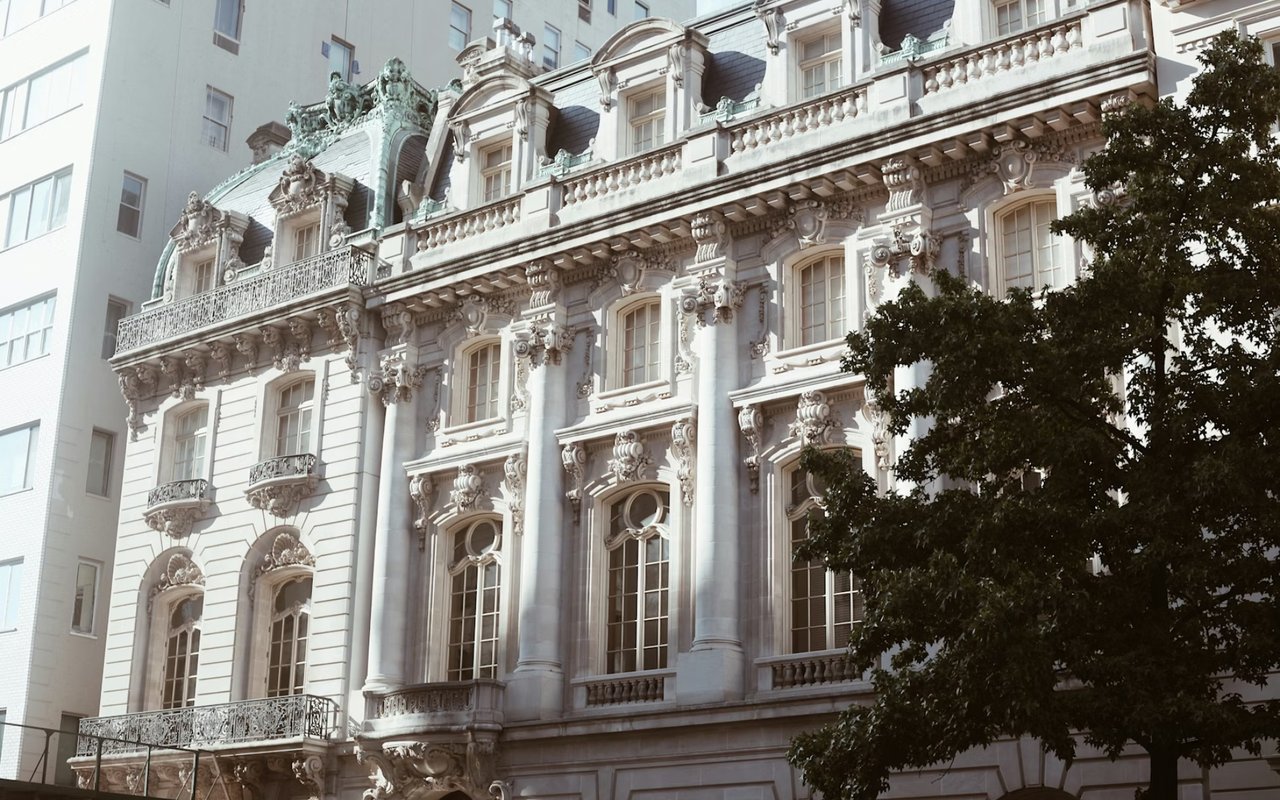
Upper East Side apartments built before World War II often feature architectural elements that have become defining characteristics of the neighborhood's most valued residences.
Why Pre-War Detail Restoration Defines Value in Upper East Side Co-Ops
-
Herringbone and parquet floor restoration: Original quarter-sawn oak floors in pre-war apartments, when properly refinished, deliver a depth and warmth that modern engineered alternatives cannot replicate.
-
Plasterwork and crown molding repair: Period-correct restoration of original moldings and ceiling medallions — especially common in Carnegie Hill addresses and select Park Avenue buildings — has become a specialty trade in consistent demand.
-
Original window preservation: In some landmarked buildings, replacing original windows requires Landmarks Preservation Commission review, making careful restoration both the practical and aesthetically cohesive choice.
Renovation projects that preserve and restore these details have demonstrated consistent market appeal, particularly in buildings along Fifth Avenue and Park Avenue, where original finishes remain largely intact.
Kitchen Reconfigurations in Classic Upper East Side Apartment Layouts
The galley kitchen has become one of the most common targets for reconfiguration as open living concepts have grown in appeal.
Kitchen Renovation Decisions That Require Advance Planning in Upper East Side Co-Ops
-
Co-op alteration agreements: Most Upper East Side co-ops require a formal alteration agreement covering renovation timelines, contractor qualifications, and noise restrictions before any work begins.
-
Removing non-structural walls: Opening a galley kitchen toward a dining room or living space is feasible in many pre-war apartments, but requires structural engineering review and board-approved drawings before permits can be pulled.
-
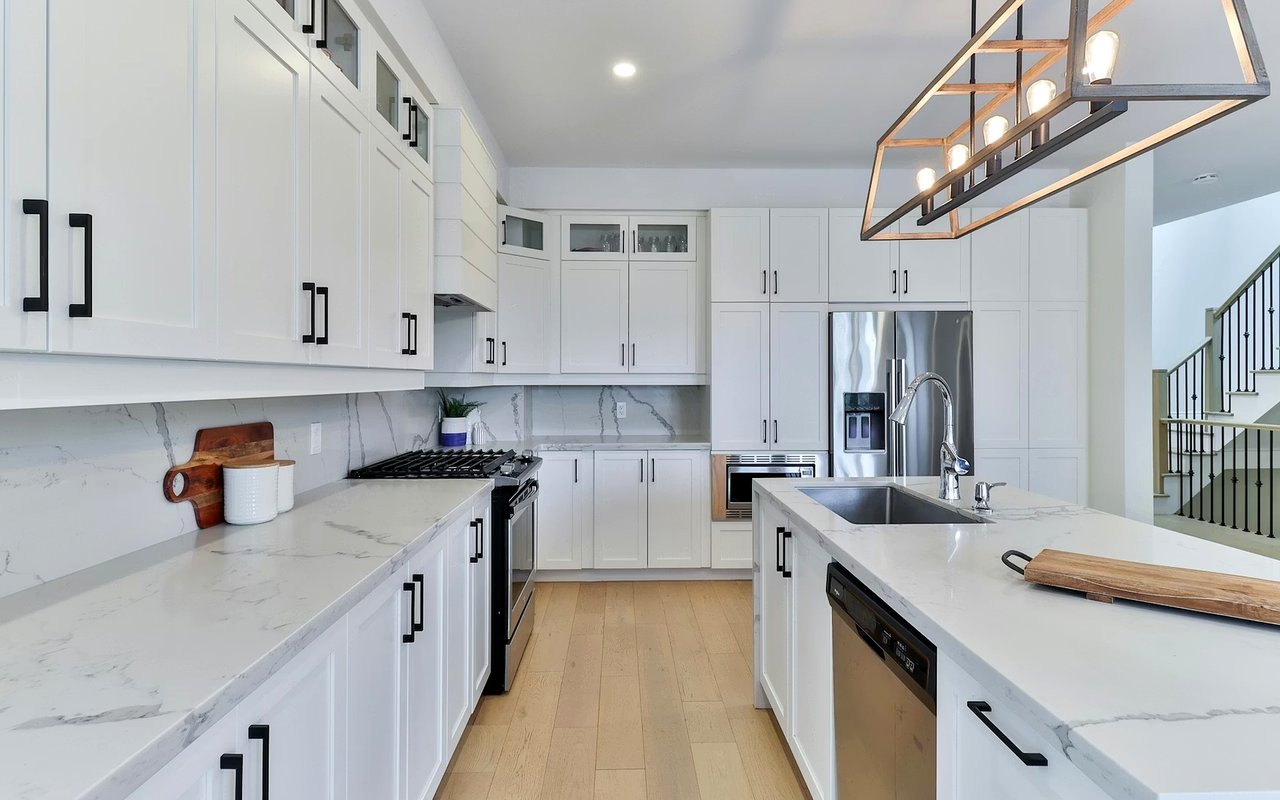
High-end material selections: Custom cabinetry, unlacquered brass hardware, and stone countertops have become signatures of Upper East Side kitchen renovations at the higher end of the market.
Material selections in Upper East Side kitchen renovations often reflect the architectural vocabulary of the building itself, with warmer tones and natural stones chosen specifically to complement original pre-war details.
Spa-Inspired Primary Bath Renovations
Primary bathroom renovations consistently rank among the most impactful projects in Upper East Side apartments, both in terms of daily livability and long-term market positioning.
Primary Bath Features Driving Upper East Side Renovation Decisions
-
Radiant floor heating: In-floor heating beneath stone or large-format tile has become a standard specification in higher-end Upper East Side bath renovations, particularly in apartments along Park and Fifth Avenues.
-
Freestanding soaking tubs: Where floor area permits, freestanding tubs — often in cast iron or stone resin — have replaced built-in alcove tubs as a signature primary bath design element.
-
Custom vanity millwork: Built-in vanity cabinetry designed to integrate with pre-war molding profiles has become the preferred approach in renovations seeking a period-sensitive aesthetic throughout.
-
Walk-in shower configurations: Glass-enclosed walk-in showers with curbless entries are increasingly specified in primary bath renovations across the neighborhood, replacing older tub-shower combinations where layout allows.
These choices connect a renovated space to the broader architectural identity of the building in a way that contemporary material selections rarely match.
FAQs
Do Upper East Side co-ops restrict what renovations residents can undertake?
Most Upper East Side co-ops require a formal alteration agreement between the shareholder and the building corporation before any renovation work begins.
How does the NYC Landmarks Preservation Commission affect apartment renovations on the Upper East Side?
The Upper East Side Historic District encompasses a significant portion of the neighborhood, meaning certain exterior alterations — including window replacements in some buildings — require LPC review and approval.
Does a major renovation affect an apartment's resale positioning in the Upper East Side market?
Renovations that preserve pre-war details, use quality materials consistent with the building's character, and thoughtfully address kitchens and primary baths tend to support the strongest market positioning in this neighborhood.
Contact Coldwell Banker Warburg Today
The Upper East Side is a market defined by architectural integrity, and the renovations that resonate most here are those that respect what was built while thoughtfully updating how it functions.
If you're considering a renovation as part of a purchase or planning an upgrade to your current Upper East Side home, reach out to us at Coldwell Banker Warburg today, and let's talk through what the market rewards and what the process actually requires.
If you're considering a renovation as part of a purchase or planning an upgrade to your current Upper East Side home, reach out to us at Coldwell Banker Warburg today, and let's talk through what the market rewards and what the process actually requires.